
Testing by Material
Vermiculite Insulation Asbestos Testing in Ohio
Vermiculite insulation testing evaluates loose-fill attic insulation that may be contaminated with asbestos. Some vermiculite, particularly material originating from a historic Montana mine, has been associated with asbestos contamination.

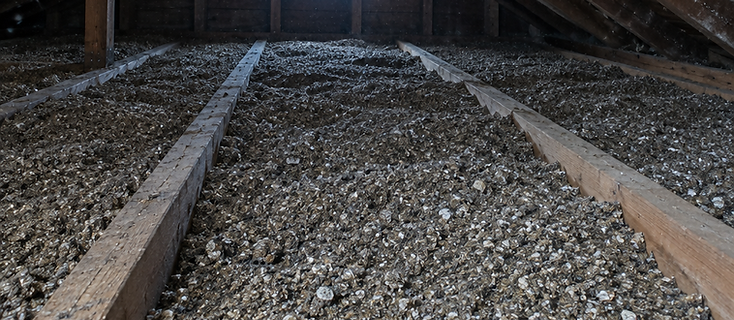
What Vermiculite Insulation Looks Like
Vermiculite is a lightweight, pebbly, gray-brown to gold loose-fill insulation poured between attic joists or blown into wall cavities. It was sold under several brand names and installed in many homes from the mid-twentieth century into the 1990s.
It is often found under a layer of newer insulation, so a quick look at the attic floor may not reveal it. If you see small shiny granules mixed with a lighter fill, it is worth identifying before you plan any attic work.
Historical Asbestos Contamination Concerns
Much of the vermiculite sold in the United States came from a mine near Libby, Montana, where the ore was naturally intermingled with asbestos minerals. Insulation from that source has been documented to contain asbestos contamination, and regulators advise treating vermiculite insulation as if it may contain asbestos when its origin is unknown.
This is different from a manufactured product with a fixed recipe. Contamination levels vary widely, which is part of why vermiculite is handled with more caution than a uniform material.
Why Disturbing It Should Be Avoided
Loose-fill insulation is friable by nature: it crumbles easily and can release dust with the slightest movement. Walking through an attic, moving boxes, running new wiring, or installing bath fans can all disturb the material. Regulators commonly advise leaving suspect vermiculite undisturbed and limiting attic access until it has been assessed.
Limitations of Sampling Vermiculite
Sampling vermiculite is not as straightforward as sampling a floor tile. Contamination can be unevenly distributed, so a single small sample can miss it, and analysis of a few grams may not represent a large attic. Some guidance recommends treating vermiculite as asbestos-containing without relying solely on a negative result when the material is from a known contaminated source.
That is why professional assessment matters here: the recommendation may depend on origin, condition, and planned work as much as on a laboratory result.
When Professional Assessment Is Appropriate
- You are planning attic renovations, air sealing, or new insulation
- Electrical or HVAC work will disturb the attic floor
- The insulation has been disturbed, damaged, or spread into living space
- You are purchasing a home with visible loose-fill insulation of uncertain origin
Answers
Frequently Asked Questions
Clear answers about vermiculite insulation asbestos testing in ohio and what to expect from the testing process.
Quote Request
Request Your Insulation Testing Quote
Share the property address city, the material you are concerned about, and your timeline. Requests are reviewed during business hours and referred to an independent testing professional where coverage is available.
Request an Asbestos Testing Quote
Tell us about your property and what you need tested.
Next Step
Questions about asbestos in your property?
Call to discuss the material you are concerned about, or send a quote request and we will follow up during business hours.